
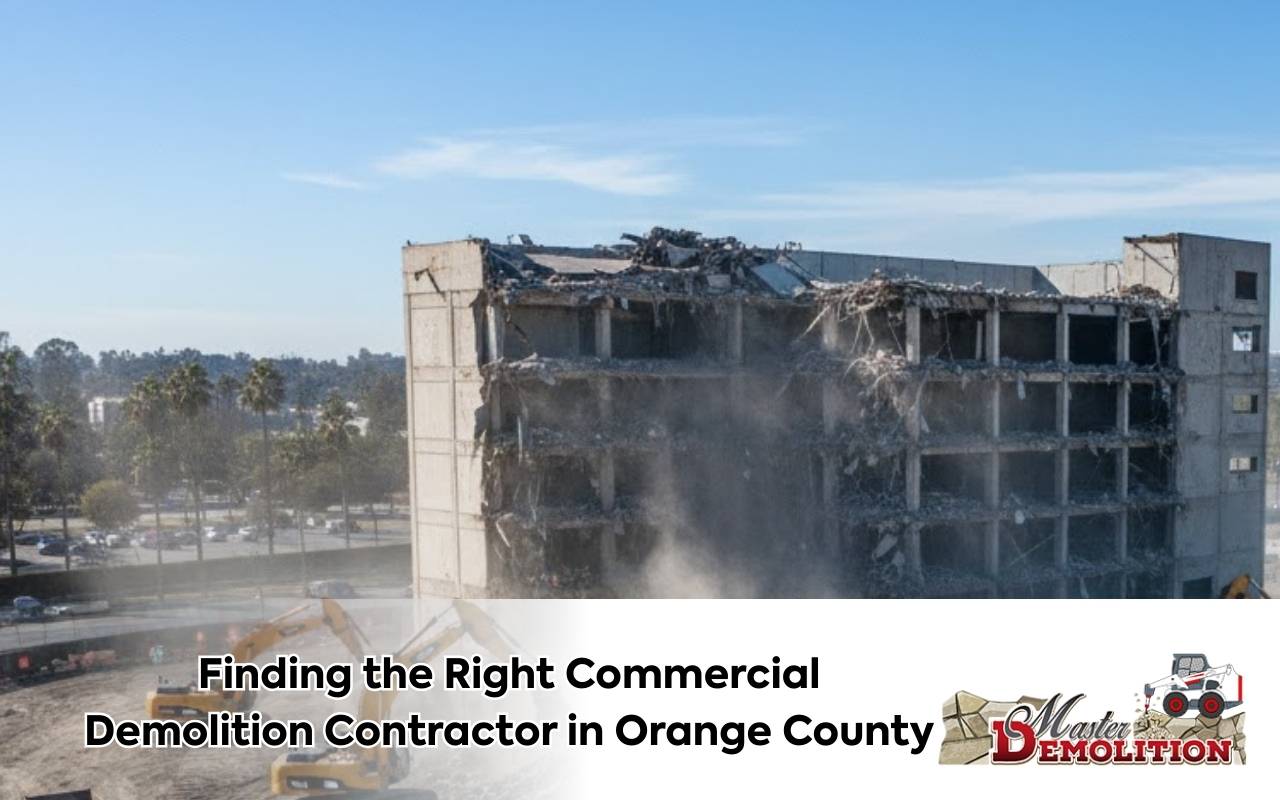
Finding the Right Commercial Demolition Contractor in Orange County
A Commercial Demolition Contractor in Orange County can shape how smooth your project feels from day one. In a busy county with constant construction, choosing a reliable partner matters. The right contractor helps you move from first idea to final clearance with less stress and fewer surprises.
As you compare companies, pay close attention to insurance coverage, Certificates of Insurance (COI), clear timelines, and organized site logistics. These are not simple buzzwords. Instead, they form the base of a successful demolition project. Understanding these details helps you avoid delays, protect your budget, and stay confident through every step.
Evaluating Insurance Coverage
When you hire a Commercial Demolition Contractor in Orange County, insurance is non-negotiable. The contractor should carry general liability insurance and workers’ compensation. These policies protect you from injury claims and property damage. Liability coverage handles accidents during demolition, while workers’ compensation helps avoid legal disputes after on-site injuries.
Before you sign anything, ask for proof of active insurance. Then, call the insurance company to confirm coverage limits and dates. Additionally, check whether the contractor has an umbrella policy that adds extra protection. Reviewing their insurance rating and history of major claims also shows how they handle risk.
Request certificates for general liability and workers’ compensation.
Confirm coverage limits, effective dates, and any gaps.
Ask if an umbrella policy extends protection beyond basic limits.
Review claim history to spot patterns or repeated issues.
If you work through a general contractor, verify that each subcontractor meets your insurance standards. Every sub should carry minimum limits that match the prime contractor’s policy. Ask for endorsements that list your project site by name. Keeping updated copies on file reduces confusion and proves coverage during inspections or disputes.
Compare different insurance plans by looking at limits, deductibles, and exclusions. Also, ask whether the policy covers environmental risks, such as asbestos removal or contaminated materials. These specialized coverages are crucial in Orange County, where environmental rules are strict. Discuss any gaps you see and have the contractor fix them before work starts.
Understanding Certificates of Insurance (COI)
A COI plays a central role when you hire a demolition company. A Certificate of Insurance summarizes active policies, coverage types, limits, and policy dates. This simple document shows that your contractor holds valid insurance before work begins. Usually, you receive the COI directly from the contractor’s insurance agent.
Review the policy numbers, coverage types, and durations carefully. A proper COI also explains whether subcontractors share the same coverage or hold their own policies. Request a current COI that lists you or your business as an additional insured. This step gives you direct rights if a claim happens during the project.
Check that policy dates cover the full project schedule.
Confirm that coverage amounts match your risk level.
Look for key endorsements, such as environmental liability.
Ensure you are named as an additional insured on the COI.
Verify that the coverage amounts meet your expectations and that there are no surprising exclusions. Also, read the cancellation clause to see how much notice you get if the policy ends early. If your site logistics involve many subcontractors or special hazards, make sure every party is properly covered.
By learning how a COI works, you close dangerous coverage gaps. You also make sure the contractor’s insurance truly protects your project from start to finish. This simple review can prevent expensive legal and financial problems later.
Importance of Precise Timelines
Clear timelines are essential when you plan demolition work. A detailed schedule shows each phase, from permits and site prep to debris removal and final inspections. With a structured calendar, you can estimate costs, assign crews, and coordinate other trades. Timelines also keep everyone accountable and reduce the risk of long downtime.
Before work starts, ask your contractor for a timeline with weekly or even daily milestones. This roadmap helps you track progress and handle any setbacks quickly. You respond early instead of scrambling when small delays stack up. Accurate timelines also support planning for nearby tenants, neighbors, and delivery routes.
Demolition delays ripple through the entire construction schedule. Slips at this stage can push back foundations, framing, and interior finishes. Therefore, ask how your contractor handles surprises like hidden structural elements, utility issues, or bad weather. A reliable partner will explain how they build buffer time into the schedule and how they communicate every change.
When timelines are realistic and well managed, you stay informed and in control. You also move smoothly from demolition into new construction without unnecessary stress.
Ensuring Seamless Site Logistics
Strong site logistics help a Commercial Demolition Contractor in Orange County work safely and efficiently. Site logistics cover traffic flow, bin locations, equipment placement, and safe access paths. A clear plan reduces bottlenecks, lowers accident risk, and respects nearby properties. Before demolition, review site maps and delivery schedules together.
Agree on where debris bins will sit, how trucks enter and exit, and which routes stay open for pedestrians and emergency vehicles. Early planning keeps everyone on the same page and lets other trades schedule their tasks without conflict. It also makes daily operations feel more predictable and less chaotic.
Mark truck routes and staging areas on a shared site map.
Designate safe walkways for workers and visitors.
Plan bin placement to avoid blocking doors or streets.
Coordinate deliveries to avoid peak traffic hours.
Good site logistics also consider the local community. Noise control, dust reduction, and any planned road closures should be part of the plan. A thoughtful contractor coordinates with city officials and notifies neighbors about upcoming work. Regular site meetings allow teams to adjust logistics as conditions change or timelines shift.
By focusing on communication and organization, you keep your demolition project safe, efficient, and compliant with Orange County rules.
Verifying Contractor Experience and Expertise
Experience matters a lot in commercial demolition work. Look closely at the contractor’s background to confirm they can handle your specific project. Ask about the team’s years in the industry, training programs, and specialized certifications. Skilled crews handle hazardous materials, structural shoring, and utility shutoffs more safely and efficiently.
Contractors with a strong local track record understand city codes, permits, and county inspections. This local knowledge keeps approvals moving and reduces delays. You can also review their demolition services in California to compare the size and type of projects they manage. This comparison helps you see whether they fit your needs.
Request profiles of the key people who will run your project. Seasoned site supervisors often spot problems early and suggest simple fixes. Ask whether the company attends regular safety workshops and stays current with new demolition methods. An expert team usually enjoys strong relationships with local officials, waste haulers, and environmental consultants.
These connections make it easier to coordinate inspections, hauling schedules, and environmental reviews. Choosing a contractor with deep experience and a culture of learning reduces risk and boosts project quality.
Reviewing Past Demolition Projects
A contractor’s portfolio says a lot about their work. Ask to see past commercial jobs that match your project size and complexity. Photos, short case studies, and client testimonials show how they approach tight sites, occupied buildings, or strict noise limits. This real evidence paints a clearer picture than promises alone.
Look for examples where they handled special challenges, such as limited access or nearby sensitive facilities. These stories show how flexible and creative the team can be. A strong portfolio usually highlights on-time performance, neat cleanup, and positive client feedback.
Additionally, ask for references and follow up with direct calls or emails. Former clients can share honest views on communication, problem-solving, and final results. Ask about any surprises and how quickly the contractor responded. Reliable companies maintain long-term relationships and willingly connect you with satisfied customers.
By verifying their history through real projects and references, you gain confidence that your contractor can deliver what they promise on your Orange County job.
Assessing Safety Measures and Compliance
Safety and compliance should be at the heart of every demolition plan. Ask how the contractor keeps workers, visitors, and neighbors safe each day. Strong programs include daily site walks, clear hazard lists, and consistent use of personal protective equipment. Written safety plans should cover emergency steps, dust control, and noise management.
Confirm that crews receive regular safety training and attend toolbox talks. These short meetings help everyone stay alert to changing site conditions. Also, ask who leads safety on site and how they report and track incidents. A visible safety leader often signals a strong culture.
Compliance with local and federal rules is just as important. Contractors must pull the right permits, handle hazardous materials properly, and dispose of waste according to Orange County guidelines. Ask to see safety inspection records, OSHA logs, and environmental reports.
Reputable contractors welcome third-party audits and maintain open communication with inspectors and agencies. By prioritizing safety and compliance, you lower liability, avoid work stoppages, and protect the health of everyone near the project.
Obtaining Detailed Project Estimates
A clear estimate helps you understand both cost and scope. Ask your commercial demolition partner for a detailed, written proposal. It should break down labor, equipment, permits, trucking, and waste disposal. If specialized work is likely, such as asbestos abatement, that line should appear separately.
Transparent estimates make it easier to compare bids. You can see where numbers differ and ask focused questions. This level of detail also reduces the risk of surprise charges at the end of the project. In addition, it shows that the contractor is organized and honest about pricing.
When you review estimates, study the assumptions behind each number. Discuss site access, expected debris volume, working hours, and any limits on noise or dust. Ask for allowances that cover unknowns like hidden structural supports or buried utilities.
Contractors who offer open, itemized estimates build trust from the start. With a thorough cost review, you can set a realistic budget and choose a partner who delivers true value, not just the lowest number on paper.
Negotiating Contract Terms and Conditions
Before you commit, take time to review and negotiate your contract. A clear agreement defines the scope of work, payment schedule, insurance requirements, and any warranties. It should also explain how change orders work, how disputes are handled, and how either party can end the contract if needed.
Make sure every verbal promise appears in writing. This habit reduces confusion later and keeps expectations aligned. Well-written terms act as a roadmap for everyone involved and lower the chance of costly arguments mid-project.
Pay special attention to language about responsibility and liability. Confirm that the contractor’s COI lists you as an additional insured and that coverage meets your standards. Timelines and site logistics responsibilities should be spelled out so each party knows their role.
Before you sign, consider having a legal advisor review the document. A quick legal check helps confirm that your contract matches local laws and industry best practices. Careful negotiation now supports a smoother demolition later.
Frequently Asked Questions
How do I start planning a commercial demolition project?
Begin by defining your project goals, budget, and desired timeline. Then, gather a short list of qualified demolition contractors. Ask each one for proof of insurance, a draft schedule, and a detailed estimate. From there, compare how clearly they explain risks, logistics, and next steps.
What insurance should my demolition contractor carry?
Your contractor should carry general liability insurance, workers’ compensation, and, when possible, an umbrella policy. In some cases, environmental or pollution coverage is also important. Request proof of active policies, verify them with the insurer, and keep updated copies in your project files.
Why is a COI important before demolition starts?
A COI shows that the contractor’s insurance is active and strong enough for your project. It lists policy types, limits, and dates. Reviewing the COI helps you avoid coverage gaps that could cause legal or financial trouble if an accident or claim occurs.
How long does commercial demolition usually take?
Timeline length depends on building size, site access, permits, and any hazardous materials. Small projects might take days, while larger or more complex sites can take weeks. A reliable contractor will create a clear schedule and update it if conditions change.
What should I look for in site logistics planning?
Effective site logistics include safe traffic routes, well-placed debris bins, and clear walkways for workers. Good plans also address dust control, noise limits, and neighbor communication. Ask your contractor to share a site map and explain how they will adjust as the project moves forward.
Making the Right Choice
Choosing a Commercial Demolition Contractor in Orange County becomes easier when you focus on a few key areas. Look closely at insurance coverage, COI details, realistic timelines, and well-planned site logistics. Then, combine this review with checks on experience, safety practices, and clear estimates.
When you partner with an experienced, safety-minded contractor who communicates clearly, your demolition phase feels far less stressful. With the right guidance and careful questions, you can move into the next stage of construction feeling prepared and confident in your decision.